Small spaces can still feel comfortable, functional, and stylish when designed the right way. Many homeowners believe they need a larger house to improve comfort, but smart planning and creative design can completely transform smaller areas into spaces that feel open and efficient. The key is learning how to use every square foot wisely while avoiding clutter and unnecessary furniture.
One of the best ways to maximize a small space is by focusing on layout and functionality. Furniture placement plays a huge role in how large or small a room feels. Choosing furniture that fits the room properly and keeping walkways open can instantly make a space feel more spacious. Multi-functional furniture, such as storage beds, foldable tables, or built-in seating, also helps maximize usability without overcrowding the room.
Storage solutions are another important factor in small home design. Instead of relying only on floor space, homeowners can take advantage of vertical storage with shelves, cabinets, and wall-mounted units. Built-in storage options are especially useful because they keep spaces organized while maintaining a clean appearance. Hidden storage under beds, stairs, or benches can also reduce clutter and improve functionality without affecting the design of the room.
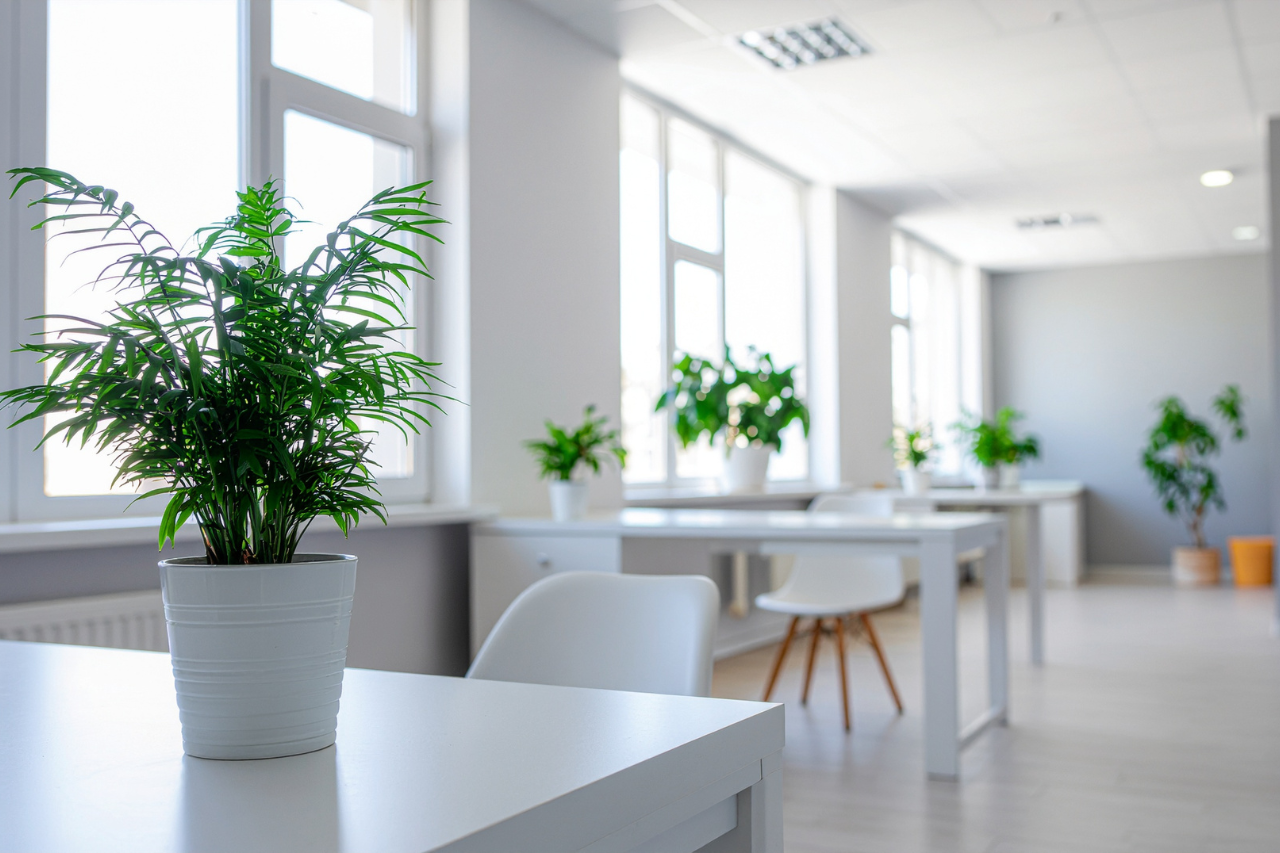
Lighting has a major impact on how a space feels. Natural light makes rooms appear larger, brighter, and more inviting. Keeping windows open and using lighter curtains can help maximize sunlight throughout the home. In areas with limited natural light, layered lighting using ceiling fixtures, wall lights, and under-cabinet lighting can create a more open and comfortable atmosphere.
Color choices also play a big role in making smaller rooms feel bigger. Light and neutral tones reflect more light and create a cleaner, more open appearance. Soft whites, warm grays, and natural shades are commonly used to visually expand spaces without making them feel crowded. Mirrors can also help by reflecting light and creating the illusion of additional depth within a room.
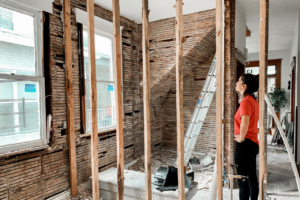
Open-concept designs are becoming increasingly popular for smaller homes because they remove barriers between living areas and improve flow throughout the space. Combining kitchens, dining areas, and living rooms into one connected layout can make a home feel significantly larger and more functional. Even small design changes, such as wider doorways or removing unnecessary partitions, can create a noticeable difference.
Decluttering is equally important when trying to maximize space. Too many decorative items, oversized furniture, or unnecessary belongings can quickly make a room feel cramped. Keeping spaces organized and focusing only on essential items creates a cleaner, calmer environment that feels easier to move through and enjoy.
In the end, maximizing small spaces is about smart design rather than square footage. With thoughtful planning, efficient storage, proper lighting, and functional layouts, even compact homes can feel open, modern, and comfortable for everyday living.